
Expert Advice on Eliminating Biting Bugs From Your Yard
Instant Overview
- Lemon eucalyptus oil is your best plant-based option. It rivals low-concentration DEET in effectiveness and lasts about two to three hours.
- Getting the oils out matters. You need to crush the leaves, trim the stems, or burn the plant material to actually release the oils into the air.
- Stop breeding at the source. Eliminating standing water is extremely important.
- Layer your approach. Plants plus oils plus water removal plus airflow plus yard maintenance all work together far better than any single tactic.
- Call the Austin, Texas mosquito experts. Real Green is here to help when you have constant mosquito problems or are getting bitten every time you go outside.
Top Natural Mosquito Repellant Plants
Kitchen Garden Herbs
The most effective repellant plants often double as kitchen staples, which is a nice bonus.
Mint and peppermint pack a seriously aggressive fragrance. When you crush the leaves, that scent becomes almost offensive to mosquitoes. Growing these around your patio edge means you can grab a handful, rub them on your arms, and get immediate relief.
Basil is perhaps the hardest worker in this category. It releases its oils more readily than most plants just from normal handling. Keep a few pots near your outdoor seating and you’ve got both a culinary ingredient and a mosquito deterrent within arm’s reach.
Rosemary behaves a lot like basil. Brush against it while walking past and the oils release into the air around you. Plant it near doorways and pathways where you naturally interact with it.
Garlic earned its reputation honestly. Planting it around your yard’s perimeter creates a low-level deterrent that accumulates over time.
Thyme deserves special attention. When crushed or burned, it releases thymol—a naturally occurring compound with legitimate insect-repelling properties. Toss some on a fire pit and you’re creating a meaningful protective barrier.
Fragrant Plants and Flowers
Beyond the kitchen garden, several flowering plants carry oils that mosquitoes find genuinely unappealing.
Lavender is probably the most well-known of these. The compound linalool makes it effective, especially when the flowers are disturbed or when you apply the oil to your skin. It has the added benefit of smelling pleasant to humans.
Lemongrass (not to be confused with lemon-scented geraniums, which are less effective) is the actual source of citronella oil. In warmer climates like Austin, it thrives year-round and provides ongoing benefits.
Citronella grass is the original source of the citronella oil you’ve probably seen in candles.
Marigolds contain pyrethrum, a compound used in commercial insect repellants. They’re attractive, easy to grow, and provide legitimate mosquito-repelling power.
Geraniums work well in containers placed on patios or near seating areas.
The Specialty Tier
Catnip. Research shows that nepetalactone, the active compound in catnip, can be more effective than DEET in laboratory settings. You just have to crush the leaves to release it. A potted catnip plant won’t do anything on its own.
Lemon balm has a sharp lemony fragrance that mosquitoes actively dislike. It’s also easy to grow and spreads readily, so containment in pots is wise unless you want it taking over.
Sage becomes genuinely useful when burned. Toss a few sprigs on fire pit coals and the aromatic smoke becomes a real deterrent for the immediate area.
Eucalyptus rounds out this list. While the plant itself helps somewhat, lemon eucalyptus oil extracted from the leaves is where the serious effectiveness lies.
Do Natural Mosquito Repellants Work?
Yes, if you understand how.
Mosquitoes find you through the carbon dioxide you exhale, your body heat, and specific scents your skin produces. Natural repellants work by masking or disrupting those chemical signals.
Plants sitting passively in your yard don’t release enough oils to create meaningful protection. A pot of lavender on your deck won’t establish a mosquito-free zone around your seating area.
The oils need to be actively released. That happens through crushing leaves, trimming stems, extracting oils, or burning plant material.
All About Essential Oils
Beyond growing plants, you can apply extracted essential oils to your skin or diffuse them in outdoor spaces for more reliable protection.
Lemon eucalyptus oil is the gold standard in the natural category. It provides two to three hours of protection that’s genuinely comparable to low-concentration DEET. This is the one to prioritize if you’re choosing just one.
Lavender oil is gentle enough for most skin types and smells pleasant without screaming “bug spray.”
Tea tree oil has antimicrobial and insect-repelling properties, but it requires careful dilution and shouldn’t go near young children or pets.
Citronella oil is the pure extracted version. It’s more concentrated and effective than the candles most people know.
Geraniol, thyme oil, and cinnamon oil round out the most studied natural options, though they’re less commonly available.
Generally, these natural oils last two to three hours. That’s shorter than DEET (four to eight hours depending on concentration).
Critical safety note: Always dilute essential oils before applying to skin. Undiluted oils can cause irritation or sensitization. Also, some oils aren’t appropriate around young children or pets.
Simple DIY Recipes That Actually Work
You don’t need to spend much to make effective mosquito repellants at home.
For outdoor spaces: Burn herb bundles (rosemary, sage, thyme) near a grill or fire pit. The aromatic smoke genuinely repels mosquitoes in the immediate area. Citronella candles are the classic version of this approach. You can also just crush and scatter lavender or mint leaves around a seating area for a lower-level deterrent.
For a basic spray: Mix roughly one part essential oil (lemon eucalyptus works well) with ten parts of a carrier like witch hazel, distilled water, or a light oil. Shake before each use and reapply every two to three hours.
For skin application: Add three to five drops of your chosen essential oil to one ounce of a carrier oil like fractionated coconut oil or sweet almond oil. Apply to exposed skin, avoiding eyes and mouth. This version tends to last slightly longer than water-based sprays.
Non-Plant Strategies That Legitimately Work
Beyond plants and oils, the most effective natural mosquito management removes the conditions that allow populations to explode in the first place.
Eliminate standing water. This is the single highest-impact step. Mosquitoes breed in standing water. One neglected container can produce hundreds of mosquitoes. Clean your gutters, overturn buckets, refresh birdbaths weekly, and check for any spots where water pools after rain.
Maintain your yard. Tall grass, dense shrubbery, and shaded, damp areas are where mosquitoes rest during daylight hours. Keeping grass trimmed and clearing out overgrown vegetation reduces the habitat available to them.
Use airflow strategically. Mosquitoes are weak fliers. A simple box fan aimed at your seating area makes it significantly harder for them to land. Plus, the airflow disrupts the CO2 plume that attracts them to you in the first place. This one genuinely works and costs almost nothing.
Regional Considerations
Not every plant thrives everywhere, and mosquito pressure varies dramatically by region.
In Austin and Texas generally, you’re dealing with year-round mosquito seasons and hot, humid conditions. This actually works in your favor for plant-based strategies. Lemongrass, citronella grass, and rosemary all thrive and provide ongoing benefits. You can maintain these plants outside during winter without worry.
The downside? Your mosquito season never really ends. In the Midwest or farther north, you’ve got a spring-to-fall window, which is simpler to manage. Here in Texas, you’re always in mosquito season to some degree.
In particularly humid regions where mosquito populations spike, plant-based strategies need to be combined with water source management. The humidity alone keeps mosquitoes thriving, so multiple layers of defense become even more important.
Natural vs. Synthetic Repellants
Natural repellants are appropriate for everyday backyard use. The shorter protection window (two to three hours) is manageable when you’re near your house and can reapply.
DEET is the better choice for situations where mosquitoes pose a disease risk or prolonged outdoor exposure makes reapplication impractical. If you’re hiking in a swampy area or spending six hours at an outdoor event, DEET’s longer duration makes more sense.
Picaridin is another synthetic option worth knowing about. It’s effective, odorless, and gentler on plastics and fabrics than DEET.
The Effective Layered Approach
Put everything together and you get a strategy that actually reduces mosquito encounters:
Use fans to create airflow in outdoor gathering spaces.
Keep grass trimmed and vegetation near the house managed.
Plant mosquito-repellant herbs and flowers near seating areas, doorways, and pathways.
Apply essential oil-based repellants to your skin when spending extended time outdoors.
Remove every source of standing water you can find.
Think of plants as a supporting layer, not the foundation. The actual foundation is eliminating the mosquito breeding habitat (standing water) and using applied repellants (oils on skin) when you need genuine protection.
When Natural Methods Are Enough
If you have a modest yard, experience only occasional mosquito activity, and are mainly concerned about comfort during outdoor activities, a solid natural strategy will genuinely serve you well.
This includes eliminating standing water, using plant-based deterrents, applying oils, and using fans. Many homeowners get by just fine with this approach, especially in years when mosquito populations stay manageable.
However, once mosquito pressure gets high enough, it changes how you use your yard. A patio that should feel enjoyable becomes uncomfortable. Kids can’t play outside. Pets start avoiding the yard. People stop spending time there.
If you’re constantly getting bitten, you live near body of water, or you’re spending your summer indoors to avoid mosquitoes, natural methods alone probably won’t cut it. Professional mosquito control becomes far more effective at that point.
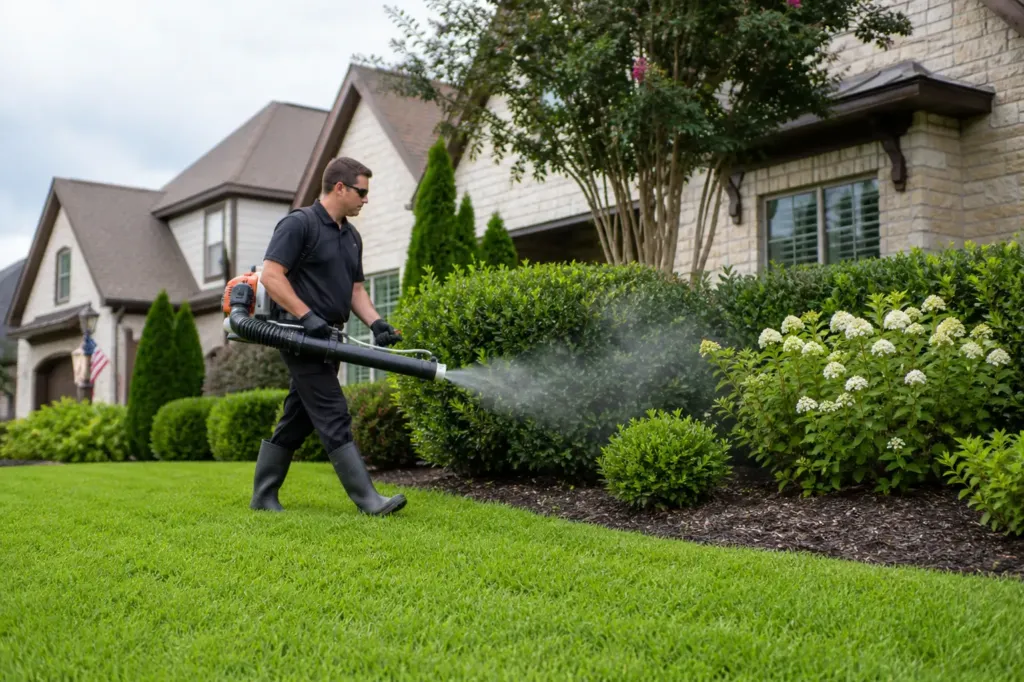
Real Green offers ongoing mosquito control that reduces active mosquitoes, targets breeding and resting areas, and genuinely makes your yard usable again.
We also offer eco-friendly mosquito traps and control systems that use botanical approaches. These target mosquitoes coming from your yard, neighbors’ yards, and any woods or water areas nearby.
Frequently Asked Questions
-
Are natural repellants safer than DEET?
Natural repellants carry fewer synthetic chemical concerns, but they also provide shorter protection and require more frequent reapplication.
-
What kills mosquito larvae naturally?
BTI (Bacillus thuringiensis israelensis) is a naturally occurring bacteria that kills mosquito larvae in standing water without harming other wildlife.
-
Do mosquito-repellant plants actually work?
Yes, but they work best when oils are actively released through crushing, trimming, or burning.
-
What's the most effective natural mosquito repellant?
Lemon eucalyptus oil, applied in a proper carrier. It provides two to three hours of legitimate protection.
-
How do I keep mosquitoes away from my yard naturally?
Start by eliminating standing water. Then layer in repellant plants near gathering areas, use fans to disrupt mosquito flight, keep vegetation trimmed, and apply essential oil-based repellants to your skin during prolonged outdoor activity.
Ready to Enjoy Your Yard Again?
When used correctly, natural mosquito repellants do provide a real layer of protection. Plants and oils add meaningful value to your mosquito management strategy. But professional treatments play an essential role when mosquito pressure becomes high enough to actually impact how you use your space.
Real Green serves Austin and the surrounding communities throughout Central Texas. We build mosquito control around trained technicians, specialized equipment, and recurring services. We talk through the outdoor areas of concern before the first treatment and tailor our services to your specific property. Reach out today to learn more!
Blog Contributor: James Duhon
James Duhon serves as Branch and Area Manager for Real Green in Austin, with 20 years of experience. He is licensed by the Texas Department of Agriculture for both lawn care and structural pest control. His professional insight is shaped by service quality, customer satisfaction, team success, and two decades of leadership in lawn and pest operations.