
Get Answers to All Your Mulching Questions for Central Texas
What You’ll Read About:
- Mulch comes in many forms, but it’s any material spread over bare soil
- Mulching a garden bed and mulching your lawn are two different processes with the same underlying goal
- The benefits of mulch include less watering, fewer weeds, healthier roots, and a yard that looks pristine
- Learn how to apply mulch correctly, when to apply it, and the situations where it can work against you
- Get a thriving landscape with help from Real Green, the local lawn care and pest control experts in Central Texas.
What Is Mulch?
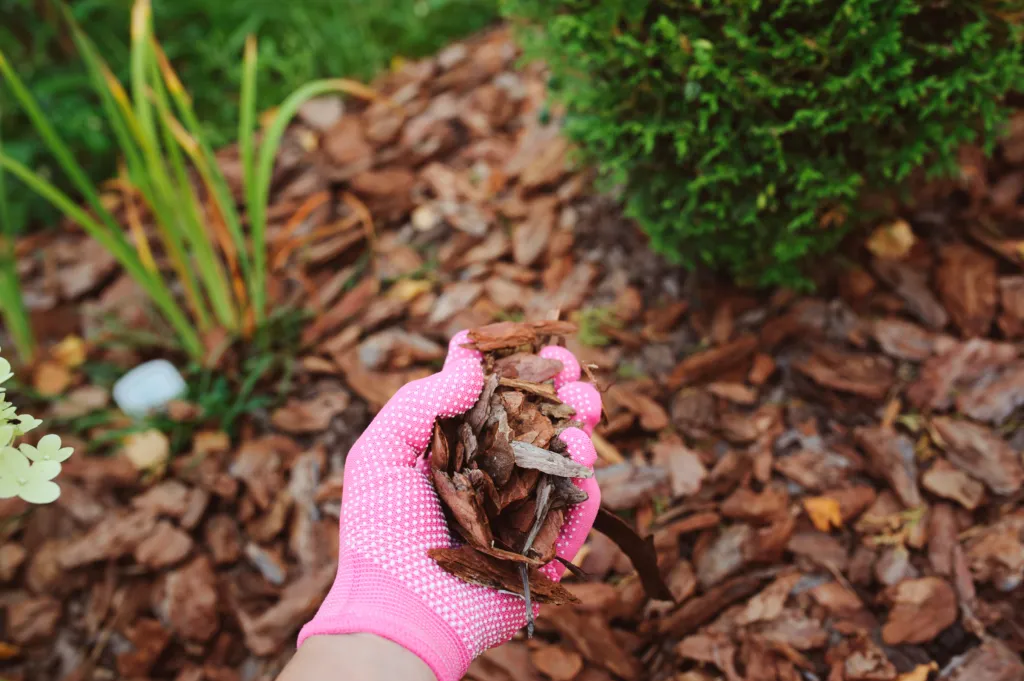
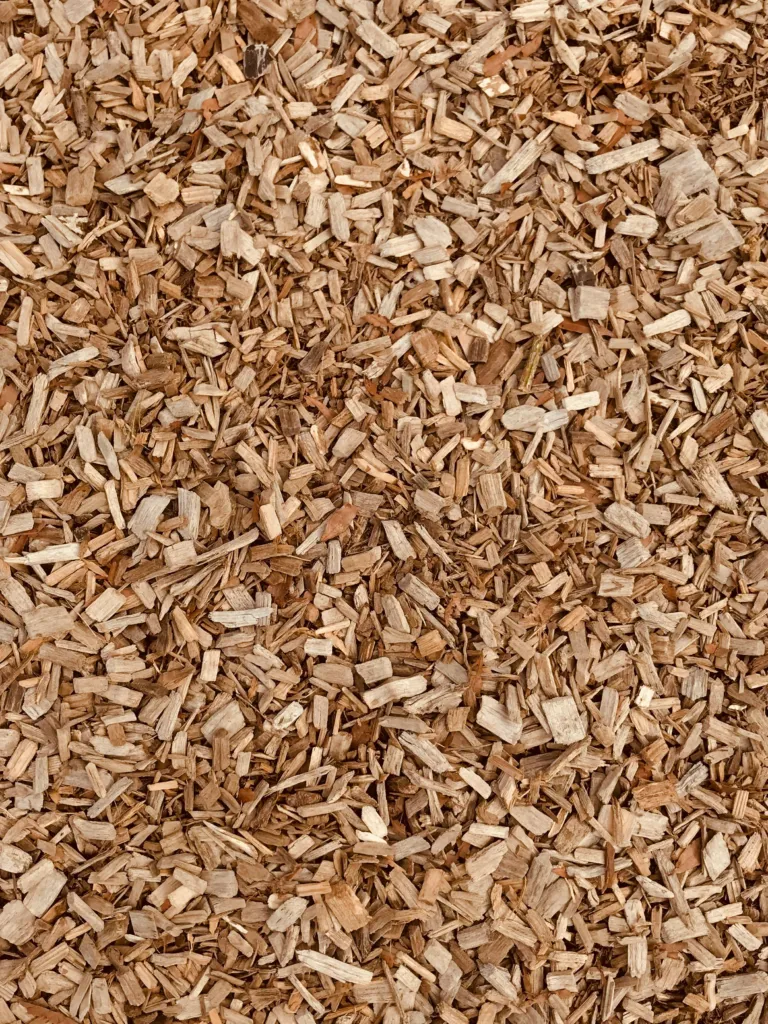
At its most basic, mulch is any material spread over exposed soil to protect and improve it. That includes bark chips, straw, gravel, shredded leaves, rubber, pine needles, and even finely cut grass clippings left on the lawn after mowing. While the material varies, the purpose is always to keep the soil covered.
Some types are organic, so they break down over time. Others are inorganic, like stone or landscape fabric, built to hold their ground for years without decomposing. Both have their place, depending on what you’re trying to accomplish.
Yes, it can give your yard a finished look. But mulch is also a functional layer that does several jobs at once.
What Is Mulching?
Mulching is the act of applying that layer of material. However, the exact definition depends on where you’re working.
In garden beds, mulching means spreading material like bark, leaves, straw, or gravel over the soil around your plants. You’re covering bare ground to protect it, improve it, or both.
On the lawn, mulching refers to finely cutting grass clippings and letting them fall back into the turf. The clippings settle between grass blades within a few days and decompose into the soil, returning nutrients without any extra effort on your part.
Mulch vs. Compost
- Mulch sits on top of the soil. Its job is protection and conservation at the surface.
- Compost gets worked into the soil to deliver nutrients directly where roots can use them.
Organic mulch does eventually break down and add organic matter to the soil, but that’s a slow bonus, not its primary purpose. The two products aren’t interchangeable.
What’s the Purpose of Mulch?
It moderates soil temperature. Mulch insulates the ground, keeping root zones cooler during summer heat and warmer when temperatures drop.
It protects root health. Because roots near the surface are vulnerable to compaction and to contact with contaminated soil.
It holds moisture in the soil. Mulch significantly slows down evaporation from the soil surface, which is a big deal in Central Texas. Less moisture lost to heat means less time for your sprinkler system to run.
It suppresses weeds. Cover the soil and you cut off the sunlight weed seeds need to germinate. A two-to-four-inch layer won’t eliminate every weed, but it reduces how many show up.
It makes the yard look put together. A clean, consistent mulch layer ties a bed together in a way that bare dirt simply doesn’t.
It reduces erosion and splashing. Rain hitting bare soil splashes dirt, moves it around, and can carry disease up onto lower plant leaves. A mulch layer absorbs that impact.
How Does Organic Mulch Improve Soil?
While it’s doing its protective work on the surface, organic mulch is also slowly decomposing. That process returns organic matter and nutrients to the soil beneath it. Microbes, insects, and earthworms work through the material and leave behind something richer than what was there before.
Over time, this improves soil structure, drainage, and the conditions that plant roots depend on. Established gardens often develop a natural version of this cycle on their own. For instance, fallen leaves and plant debris build up and break down into the soil without anyone doing anything.
Why Is Mulching Your Lawn Worthwhile?
As we said above, lawn mulching is leaving finely cut clippings in the grass rather than bagging them. And it’s one of the most underrated things you can do for warm-season grasses in Austin, TX.
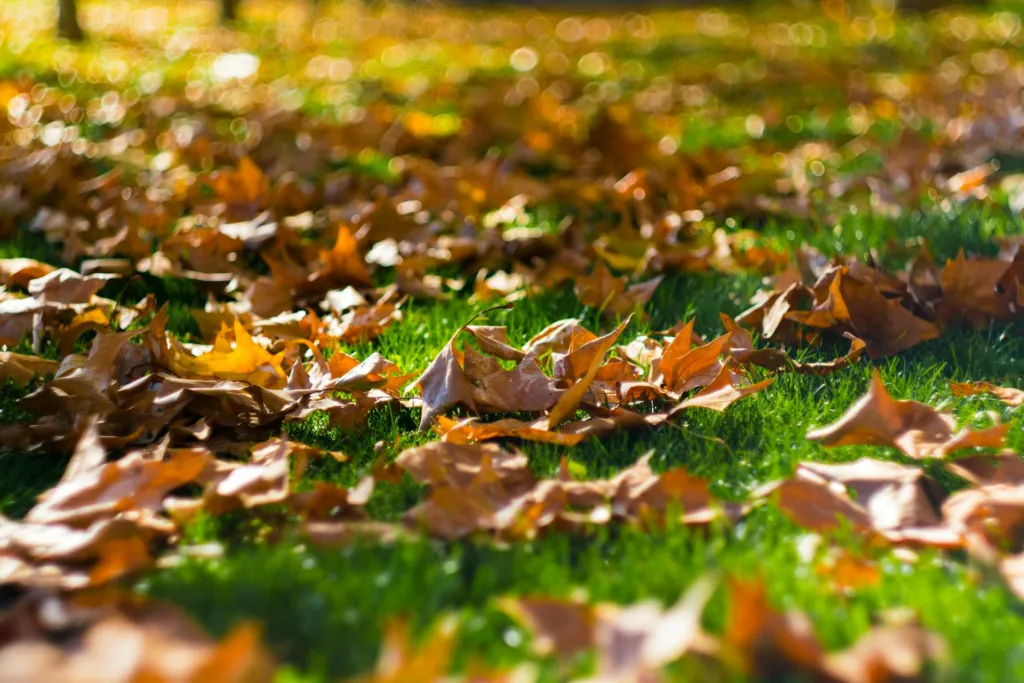
Those clippings contain nitrogen, potassium, and other nutrients that go straight back into the root zone when they decompose. The result is stronger, thicker grass with better moisture retention, and less dependence on synthetic fertilizer to maintain it. Plus, you don’t have to waste time bagging your grass clippings.
A few other things worth knowing about lawn mulch:
- It builds better soil. As organic material breaks down, the microbes processing it return byproducts to the soil in a form plants can actually use.
- It buffers temperature extremes. Roots stay cooler in summer heat and more protected during cold snaps.
- It cuts down on watering. Less evaporation from the soil surface means the moisture that’s there lasts longer.
- It helps keep weeds in check. Dense, healthy grass fed by returning nutrients tends to crowd out weeds more effectively, so it’s a form of weed control.
- It gives the yard a cleaner look. When clippings are cut fine enough, they disappear into the grass quickly and leave the lawn looking tidy.
What’s the Difference Between Organic & Inorganic Mulch?
Organic Mulch
Made from natural materials: bark, wood chips, pine needles, grass clippings, shredded leaves, straw, hay, or newspaper. It breaks down over time and needs to be replenished every now and then.
The trade-off is that the decomposition process feeds the soil, making organic mulch the stronger choice for vegetable gardens and any bed where soil health is the priority. It also suppresses weeds. However, over time, weeds can have a better chance of growing, so it needs periodic refreshing.
Inorganic Mulch
Gravel, stone, rubber chips, plastic sheeting, or landscape fabric. These are materials that decompose slowly or not at all.
It’s effective at blocking weeds and retaining moisture, but it doesn’t feed the soil. Inorganic mulch works well around foundations, trees, and shrubs that prefer drier, rockier conditions.
The downside? Once it’s in place, it’s not easy to remove, so be sure you seriously consider where you use it.
Common Types of Mulch and Where They Work Best
Bark and wood chips
Solid around trees, shrubs, and foundation plantings, especially in beds you don’t replant frequently. Coarser material lasts longer but can make digging difficult.
Grass clippings
Excellent for lawns, compost piles, or garden areas where quick nutrient return is the goal. Keep layers thin.
Shredded leaves
Free and beneficial for woodland or vegetable gardens. Shred them before applying.
Newspaper
Layered several sheets thick and moistened, newspaper suppresses weeds and moderates soil temperature reasonably well. Cover it with another organic mulch and steer clear of glossy pages.
Pine needles
Good at resisting compaction and holding moisture. They may lower soil pH slightly over time.
Straw and hay
A practical choice for vegetable gardens and paths. They reduce soil splash onto plant foliage and break down slowly enough to last through a growing season.
Plastic and landscape fabric
Effective at blocking weeds and holding moisture around shrubs and foundation plantings.
Gravel and stone
Well-suited to rain gardens, drought-tolerant plantings, and spots where drainage and heat retention are priorities.
How Should You Apply Mulch?
- Prepare the area. Pull any existing weeds, remove old or deteriorating mulch, and level the soil before putting anything new down.
- Aim for a depth of two to three inches. This is the range where mulch does its job without creating new problems.
- Don’t pile mulch against tree trunks and plant stems. Mulch against bark traps moisture, and trapped moisture can invite rot and disease.
- Leave a few patches of soil uncovered. Plants that reseed naturally won’t be able to if the soil is fully covered.
When Is the Best Time to Apply Mulch?
For garden beds, early-to-mid spring is best. That’s after the soil has had a chance to warm but before weeds get established. Late spring and early fall both work well too.
Applying too early, while the ground is still cold, can slow that spring warming process. Summer and fall applications still provide moisture retention and soil protection even if weed suppression is a little less thorough.
For lawns, wait until mid-to-late spring when the grass is growing steadily. Continue through summer during active growth periods, and an early fall session can return nutrients before winter arrives.
How Lawn Mulching Works
The grass gets cut like normal, but instead of the clippings exiting the mower, they stay beneath the deck and keep circulating. Each pass through the blades cuts them smaller. Eventually, the clippings are fine enough to settle into the turf where they decompose without leaving a visible mess.
Doing It Right
- Mow once or twice a week during active growth so clippings stay short and light
- Don’t cut more than a third of the grass height in a single pass
- Only mulch when the grass is dry
- Use a mower with a mulching function, or add a compatible mulching kit with a blade and discharge plug
- Keep blades sharp and clean the deck regularly
When Lawn Mulching Isn’t the Right Move
Mulching works well under most conditions, but a few situations call for a different approach.
Inconsistent mowing schedules: Lawn mulching depends on regularity. Skip a few sessions and the clippings become too long and heavy to decompose at a useful pace.
New or struggling lawns: Give young grass time to establish before mulching.
Wet or heavily shaded lawns: Damp clippings stick together, clog the mower deck, and pile up rather than dispersing, which can lead to fungus on your lawn.
Overgrown grass: Too much clipping volume at once creates a thick mat that smothers the turf below.
Trust the Lawn Care Experts in Austin, TX
Mulch is one of those things that feels like a small decision but has real, compounding effects on the health and appearance of your yard in Central Texas. Get the type, depth, and timing right, and it becomes one of the most low-maintenance improvements you can make.
Want to enjoy your spare time instead of doing yard work? Reach out to the lawn care and pest control experts at Real Green! We proudly serve Austin and these surrounding communities in Central Texas:
- Austin
- Buda
- Cedar Park
- Coupland
- Del Valle
- Driftwood
- Dripping Springs
- Florence
- Georgetown
- Granger
- Hutto
- Jarrell
- Kyle
- Leander
- Liberty Hill
- Manchaca
- Manor
- Pflugerville
- Round Rock
- Schwertner
- Spicewood
- Taylor
- Thrall
- Walburg
- Weir
- Brushy Creek
- Jollyville
- Anderson Mill
- Wells Branch
- Shady Hollow
- Hornsby Bend
- San Leanna
- Rollingwood
- West Lake Hills
Mulch FAQs
-
Is mulch necessary in every garden?
No. Some plants and soil types do better with exposed ground or a mineral surface.
-
Does lawn mulching cause thatch?
Typically, no. Finely cut clippings break down quickly with consistent mowing.
-
Can I mulch leaves into the lawn?
Light, dry leaves, yes. Thick, wet, or matted leaf layers should be collected or composted.
-
Does mulching spread weeds?
Consistent mowing prevents most weeds from flowering and producing seed. The risk comes from mulching overgrown areas where weeds have already set seed.
-
How much mulch should I use?
Two to three inches for garden beds. Lawn clippings should form a thin, barely visible layer that disappears into the turf.
Blog Contributor: James Duhon
James Duhon serves as Branch and Area Manager for Real Green in Austin, with 20 years of experience. He is licensed by the Texas Department of Agriculture for both lawn care and structural pest control. His professional insight is shaped by service quality, customer satisfaction, team success, and two decades of leadership in lawn and pest operations.