Winter weather woes? Get your lawn back on track with FREE* first application. Winter Special: Get a FREE* Application. Call Now

GroGreen


Rodent Control Services

Real Green provides professional rodent control focused on both immediate relief and long term prevention. We look at the whole situation, not just one problem spot. Our team inspects, removes, seals, and helps you make practical changes that protect your home going forward.

Request a Quote

Pick the way that works best for you:

Call Us
Submit Form
Text Us
Get Instant Quote

Call us today

It’s never been easier to have a beautiful lawn. Call today to lock in your savings!


Hours

Monday – Friday: 8:00am to 7:00pm EST
Saturday: 8:00am to 2:00pm EST

Sunday 1:00pm to 5:00pm EST

512-541-2257

Contact Form

Get your free quote and offer for two FREE applications by filling out the form below.

Text Message Scheduling

Opt into our text messaging platform to begin your program and schedule with us today!

Name(Required)

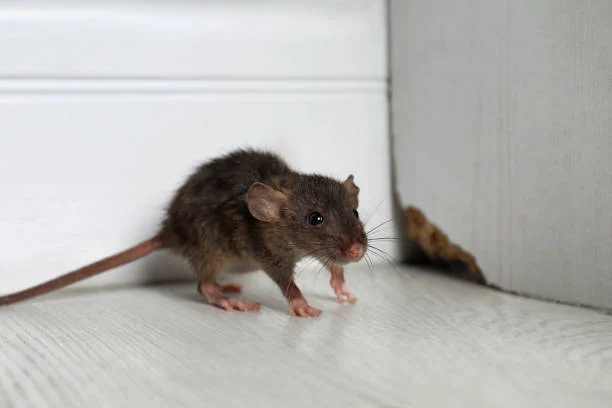
Fast, effective rodent control should do more than chase rats and mice away. It should remove the rodents you already have and help keep new ones from getting inside. When you start hearing scratching in the walls, see something dart across the garage, or find droppings under the sink, it usually means rodents are already settled in.

You can expect clear estimates, straightforward communication, and service that is conscious of families and pets. Local, state licensed technicians handle your home with care, and we offer follow up visits or ongoing programs for customers who want extra protection and a re service style guarantee.

Why Rodents Are a Problem?

Across many of the areas Real Green serves, rodents get exactly what they need to thrive. In warmer regions, mild winters allow rats and mice to stay active for much of the year instead of slowing down. Humidity, dense landscaping, mulch beds, and shaded areas create perfect cover and nesting spots right along foundations and fences.

In cooler regions, rodents are pressured indoors as temperatures drop. Older homes, aging infrastructure, and small gaps around utilities, vents, and crawlspaces give them plenty of places to slip inside and stay warm. Snow cover or heavy rain pushes them into basements, garages, and wall voids where they are difficult to reach.

Urban and suburban growth add another layer. Construction, road work, and new developments disturb natural habitats. Rodents adapt quickly, using fences, utility lines, shared walls, and rooflines as protected runways. Outdoor pet food, bird feeders, dumpsters, and cluttered storage areas give them steady access to food. Once they find a way in, they rarely leave on their own.

Why Are There Rodents Showing Up?

Rodents appear when a property offers what they are looking for: shelter, food, and water. Warm climates allow rats and mice to stay active in every season, and humidity supports strong outdoor populations. Even short cold snaps or storms can push them indoors as they search for stable warmth and dry nesting areas.

Construction and neighborhood changes can also drive them toward homes. When soil is turned, old vegetation is removed, or older buildings are demolished, rodent colonies are forced to relocate. Nearby houses, garages, and sheds with small gaps or cracks become easy targets.

Food sources make a big difference. Unsecured trash, bird seed on the ground, pet food left out overnight, gardens, compost, and cluttered storage all make a yard more inviting. Access to creeks, ponds, drainage areas, or low spots that hold water gives them reliable moisture as well.

Why You Should Not Wait

A faint scratching sound today can turn into a serious infestation faster than most people realize. Rodents reproduce quickly. Once they have a safe nesting spot and a steady food source, their numbers can grow in weeks, not months.

The longer rats and mice stay inside, the more damage and contamination they can cause. They chew wires, insulation, drywall, and stored belongings, and they may damage flexible plumbing lines and HVAC components. Droppings and urine build up in hidden areas and can create strong odors that are difficult to remove.

Rodents almost never decide to move out on their own. Acting early helps prevent bigger repairs, limits health concerns, and keeps the problem from spreading into more areas of the home or neighboring units.

Signs You Might Have a Rodent Infestation

Rodents are good at staying out of sight, but they leave clues behind. Some of the most common signs include:
Scratching, scurrying, or squeaking sounds in walls, ceilings, or the attic, especially at night when the house is quiet.
Droppings along baseboards, in pantries, under sinks, behind appliances, in closets, or in garages and storage areas.
Grease rub marks or smudge trails along walls, pipes, beams, or baseboards where rodents run the same paths again and again.
Gnaw marks on food packaging, baseboards, cabinets, wiring, plastic bins, cardboard boxes, and soft plumbing lines.
Nesting material such as shredded insulation, paper, fabric, or dried plant fibers tucked into hidden corners or behind stored items.
A strong musky or ammonia like odor in enclosed spaces like closets, cabinets, attics, or mechanical rooms.
Pets staring at or pawing at walls, ceilings, or appliances without an obvious reason, reacting to rodent noise or scent that you cannot hear or smell.


Rodent Health and Property Risks

Rodents do more than make you uncomfortable. They bring health and property risks into spaces where you live and store food. Droppings and urine can contaminate pantries, shelving, countertops, pet areas, and storage rooms, increasing the chances of illness if surfaces and items are not properly cleaned.
Certain illnesses have been linked to rodent contamination, including issues tied to dried droppings and urine and bacteria that can lead to gastrointestinal problems. While the exact risk depends on the situation, any active infestation should be taken seriously, especially in homes with children, older adults, or anyone with existing health concerns.
Rodents can also introduce secondary pests such as fleas, ticks, and mites. These hitchhikers move onto pets and people and can continue causing trouble even after rodents are gone if they are not addressed.
Chewing damage is another major concern. Rodents gnaw on electrical wiring, which can create a potential fire hazard. They damage insulation, reducing energy efficiency and making it harder to keep your home comfortable. They may chew soft plumbing lines, drain hoses, and stored items such as clothing, furniture, keepsakes, and important documents.
Left unchecked, a rodent infestation can result in expensive repairs, ruined belongings, and lingering odors that are difficult to eliminate without professional help.

Our Rodent Control Process

Step

1

Step 1: Inspection and Identification
Effective rodent control starts with a detailed inspection. Real Green technicians examine the exterior perimeter, roofline, attic, crawlspace where accessible, garage, and key interior areas.
We look for entry points, runways, droppings, gnaw marks, nesting sites, and conditions that are attracting rodents. Even very small gaps matter. Rats and mice can slip through openings much smaller than most people expect, including spaces around utility lines, vents, roof returns, and door or garage thresholds.
During this step, we also identify which rodents are present. Roof rats, Norway rats, and house mice may favor different areas and routes, so understanding who is there helps us choose the most effective strategy for your home.

Step

2

Step 2: Removal and Initial Control
Once we know where rodents are entering and traveling, we design a removal plan tailored to your property, the level of activity, and your safety needs.
This often includes interior trapping in key travel routes and pet conscious exterior bait stations where appropriate. In some situations, traps alone may be recommended indoors, with bait stations limited to the outside perimeter. In others, a combined approach brings activity under control more quickly.
Our goal is to reduce the rodent population efficiently while keeping children, pets, and non target animals in mind. Devices are placed in protected locations or tamper resistant stations and checked on a schedule that matches rodent pressure around your home.

Step

3

Step 3: Exclusion and Sealing
Rodent control is not complete until we address how rodents are getting in. Real Green technicians identify and seal entry points using durable, rodent resistant materials.
Common problem areas include gaps around plumbing and electrical penetrations, torn or missing screens, open vents, loose siding, small spaces under doors and garage doors, and roofline gaps where trim, soffits, or utility lines meet the structure.
By closing these access points, we make it much harder for new rodents to enter, even if populations remain active in the surrounding neighborhood. This exclusion work is one of the most important steps for long term prevention.

Step

4

Step 4: Monitoring, Sanitation, and Prevention
Rodent control is a process rather than a single visit. After the initial setup and sealing, we return as needed to re check traps and stations, remove captured rodents, and adjust placements based on what we find.
Where needed and requested, Real Green can assist with key aspects of cleanup. This may include removing carcasses, addressing accessible droppings, and applying appropriate deodorizing or sanitizing products to reduce odors and improve hygiene. For heavier contamination or damaged insulation, we can discuss next steps and recommend specialized cleanup or insulation replacement options.
As activity drops off, your technician will review habits and conditions that might attract rodents in the future. You receive practical suggestions for storage, sanitation, and yard maintenance, along with options for ongoing maintenance plans so your home stays as rodent resistant as possible.

Rodent Prevention Tips for Homeowners

Professional service goes a long way, but small changes at home can make a big difference in keeping rodents away. These steps support treatment and reduce the chances of a new infestation.

Home Sealing

Check exterior doors and windows for light shining through or noticeable gaps and install or upgrade weatherstripping and door sweeps where needed. Make sure window screens, foundation vents, and attic vents are intact and fit tightly.
Seal cracks and openings in foundations and exterior walls. Use steel wool or metal mesh in larger gaps and caulk or sealant in smaller cracks, especially around plumbing and electrical lines that pass through walls.

Food and Water Control

Store pantry items, pet food, and bird seed in sturdy, airtight containers. Clean up crumbs and spills promptly, especially in kitchens, dining areas, and pet feeding zones. Avoid leaving pet food outside or in open dishes overnight if rodents are a concern.
Repair leaking faucets, pipes, or irrigation lines and reduce standing water in buckets, planters, and low lying areas. Even small, consistent water sources can support rodent activity.

Yard and Exterior Maintenance

Keep mulch and dense plants a bit away from the foundation to reduce sheltered runways right against the home.
Trim tree branches and shrubs so they do not rest on the roof or touch upper walls. Rodents often use branches as bridges to reach attics and upper stories.
Make sure outdoor trash and recycling bins have tight fitting lids and are closed between pickups. Manage compost and bird feeders so they do not act as unlimited food sources.

Seasonality Callouts

In colder months or during extended rainy periods, rodents are more likely to seek warm, dry shelter indoors. These are important times to focus on inspections and sealing entry points before pressure increases.
During the warmer growing season, outdoor rodent populations can rise as vegetation thickens. Spring and summer are good times to focus on trimming, landscape maintenance, and clutter reduction in garages and sheds so rodents have fewer places to hide near the home.

Why Professional Rodent Control?

Do it yourself traps and over the counter baits may catch a few rodents, but they rarely solve the entire problem. Devices that are not placed correctly can be avoided, and untreated entry points allow new rodents to move right back in.

Professional rodent control from Real Green looks at the bigger picture. Our technicians understand where rodents are likely to travel, how they enter, and which signs reveal the true level of activity. Entry points that are easy to miss for a homeowner often stand out immediately to an experienced eye.

Safe placement is just as important as effectiveness. Children, pets, and non target wildlife must be considered whenever traps and bait stations are used. Our team is trained to place and secure equipment in ways that focus on rodents while reducing risk for everyone else.

Cleanup and handling of droppings and carcasses can also be a biohazard when they are not handled correctly, especially in tight or poorly ventilated spaces. Proper protective equipment and sanitizing practices help reduce exposure and restore a healthier indoor environment.

Most importantly, a professional plan from Real Green builds in exclusion and prevention so you are not just reacting to a problem, but actively lowering the chance that it returns.

What We Treat?

Real Green’s rodent control services target the most common species that affect homes and businesses in our service areas, including:

Rats, such as roof rats that prefer higher areas like attics, rafters, and trees, and Norway type rats that tend to burrow and stay closer to ground level.

Mice, including house mice that thrive in and around structures and field mice that move between outdoor cover and indoor nesting sites.

If you are experiencing activity from other small rodents or nuisance wildlife, our team can evaluate the situation, explain what we can handle directly, and recommend or coordinate specialized services when needed.

Rodent Control FAQs

Schedule Professional Rodent Control with Real Green

If you are hearing scratching in the walls, noticing droppings, or simply suspect that rodents are active in your home, it is better to address it now instead of waiting. Real Green is ready to help with professional rodent control that removes rats and mice and focuses on long term prevention. Call our team today to schedule an inspection, or request a quote online, and we will guide you through the next steps to keep your home comfortable, healthy, and rodent free.