
Get the Inside Scoop on How to Kill Crabgrass
You water, feed, and trim your lawn. So when crabgrass starts taking over, it’s genuinely demoralizing. This particular weed is relentless, and a half-hearted response won’t cut it.
What actually gets results? Using the right crabgrass preventer at the right point in the season, backed by a lawn that’s been built to resist invasion. The experts at Real Green are here to walk you through the whole picture.
Why Is Crabgrass So Stubborn?
Crabgrass is a summer annual. It emerges in spring, dominates during the heat of Texas summer, and dies back once a hard freeze moves through. But here’s the annoying part. Before it dies, a single mature plant releases thousands of seeds that settle into your soil and wait out the winter. Come spring, the cycle begins again.
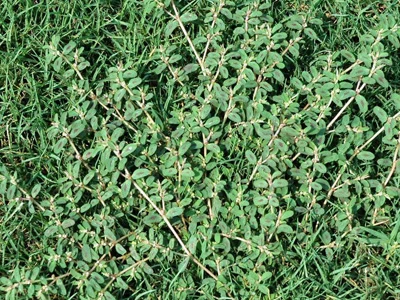
The weed’s name is a pretty accurate description of its appearance. It grows flat and low to the ground, arms spreading outward from the center…kind of like a crab. Since the blades resemble ordinary grass, it blends in surprisingly well until it starts colonizing larger sections of the lawn.
Reaching for a treatment before you’ve confirmed your target is a mistake that can backfire badly. Be sure to get a positive ID first.
Crabgrass tends to show these characteristics:
- Color that runs lighter or more yellowish-green than the surrounding lawn
- Stems noticeably longer than your desirable grass
- Unusually wide, flat blades
- A creeping, outward-spreading growth pattern
- Soft hairs visible along the leaves and stem surfaces
If you’re still uncertain, take a clear photograph and run it by a lawn care specialist. Lookalike weeds such as goosegrass exist and call for different treatment approaches.
Why Use Crabgrass Pre-Emergent?
Prevention is dramatically easier than treatment. Pre-emergent herbicide is the cornerstone of prevention in Austin, Texas. Rather than attacking established plants, it lays down a chemical barrier in the soil that stops germinating seeds from putting down roots. No roots = no crabgrass.
Two product types are usually preferred:
Liquid pre-emergents offer fast action and excellent, consistent distribution across the lawn surface. They do require a sprayer and more careful technique to apply correctly. That’s why professional lawn care programs (that apply crabgrass preventer regularly) typically prefer them.
Granular pre-emergents are the more accessible option for homeowners managing their own lawns. A standard broadcast spreader handles the job, and these products are easy to find at garden centers. Just remember: granular formulations need to be watered in after application. Without moisture to carry them into the soil, they won’t work well.
The Best Time for Crabgrass Treatments
In Austin, timing your crabgrass pre-emergent application isn’t something you want to leave to guesswork. Getting weed control wrong in either direction can cost you!
Your most reliable indicator? Soil temperature. When the soil reaches 55–60°F at a two-inch depth, crabgrass seeds activate and begin germinating. That’s the moment you want your barrier already in place. Pick up an inexpensive soil thermometer from any garden supply store and check your lawn directly.
If you’d rather read environmental cues, two flowering plants serve as natural signals:
- Forsythia, recognized by its bright yellow spring blooms, finishes flowering a few weeks ahead of crabgrass germination in USDA Zones 5 to 8.
- Lilacs are a tighter indicator, blooming right around the time crabgrass actually germinates across USDA Zones 3 to 7. Lilacs in full bloom? Your window is open.
Regional context matters, too. Here in Central Texas and other warmer parts of the South, germination can begin as early as February or March. Plus, the active season stretches longer than most of the country.
The Midwest typically targets April for pre-emergent application, while northern climates with slower-warming soils may push that to late April or May.
Don’t forget your own yard’s microclimates, either. South-facing beds and open sunny areas warm up well ahead of shaded corners and north-facing slopes. You may need to treat different zones at slightly different times for full coverage.
One of the more underrated strategies in crabgrass management? Dividing your pre-emergent into two applications rather than putting everything down at once.
The reason comes down to how crabgrass actually behaves: It germinates in successive waves as soil temperatures shift, not in a single event. One application can lose effectiveness before that full window closes.
Here’s how a split application works:
- First round: Apply when soil is approaching 50–55°F and your earliest natural timing cues appear
- Second round: Follow up 6 to 8 weeks later
Professional lawn programs use this method regularly, and it consistently produces better protection across the full germination season.
When to Avoid Using Pre-Emergent
Pre-emergent herbicide works by disrupting germination. It doesn’t distinguish between crabgrass seeds and the grass seed you intentionally put down. If you apply it and then try to overseed, your lawn renovation efforts are going to fail.
Overseeding and pre-emergent are mutually exclusive in the same season. If you need to thicken up your turf, put the preventer aside and focus on seeding instead. Use fall aeration and overseeding to improve lawn density, then come back to a prevention program the following spring.
Newly installed lawns need an establishment period first. Whether you’ve seeded or laid sod, hold off on applying pre-emergent until the turf has been mowed at least three or four times. Applying it earlier risks interfering with how those young plants develop.
Why Crabgrass Preventer Sometimes Doesn’t Work
Treated your lawn and still watched crabgrass come up anyway? One of these is almost certainly what went wrong:
- Applied too soon. Residual effectiveness only lasts so long. If you went down in early February and germination hit in April, the product may have already broken down.
- Applied too late. Crabgrass was already up and growing by the time you treated. Pre-emergent has zero effect on established plants.
- Rate was too low. Homeowners commonly under-apply. The label rate is the threshold needed for the product to actually work.
- Spreader left gaps. Missed passes or uneven overlapping gives crabgrass exactly the opening it needs. Walk at a consistent pace and calibrate your equipment before you start.
- Lawn was already compromised. Thin, stressed, or heavily compacted turf can’t hold ground against weeds regardless of what herbicides you apply. The root cause needs addressing too.
- Granular product wasn’t watered in. Without rain or irrigation to drive it into the soil, the herbicide never formed an effective barrier.
Ground was disturbed post-application. Aerating, raking, or any significant digging after applying pre-emergent breaks the protective layer you worked to create.
How to Kill Crabgrass That’s Already in Your Lawn
Missed the Texas prevention window for crabgrass? Post-emergent crabgrass treatments won’t undo a bad season, but it can slow the damage and reduce next year’s seed bank.
Target Young Plants First
Early-stage crabgrass in spring is considerably more vulnerable to herbicide than the sprawling, deeply rooted mats you’ll find in August. If you can catch it young, your results will be meaningfully better.
Post-Emergent Products Worth Knowing
Quinclorac is the benchmark for selective post-emergent crabgrass control, available in both professional and consumer products. Selective means your desirable turf should survive treatment. Just read the label carefully before spraying warm-season varieties.
Fenoxaprop is another selective herbicide that performs well on crabgrass. However, it’s mostly found in professional-grade formulations rather than off-the-shelf retail products.
Glyphosate is the last resort. It’s non-selective, meaning it takes out your lawn right alongside the crabgrass. Only use it when you’re treating a contained, heavily infested area and you’re prepared to reseed from scratch.
Application Tips That Actually Make a Difference
- Crabgrass grows low and wide, so uniform leaf contact is essential.
- Spraying only the crown of the plant won’t do the job.
- Avoid mowing in the 48-hour window before and after treatment.
- Reduced leaf area means reduced absorption.
- Plan for a follow-up application 7 to 10 days later, especially if you’re dealing with mature plants.
Season-by-Season Crabgrass Control
Spring
Check your soil temperature regularly as the season opens and time your pre-emergent application accordingly. If Austin’s spring runs warm and long, a split application is worth considering. Raise your mowing height from the very first cut because taller turf is more competitive.
Summer
Monitor for any breakthrough growth and treat it fast. Small, young crabgrass plants are far easier to eliminate than established ones. Stick to deep, infrequent watering and keep the mower deck at a reasonable height even when the lawn is looking stressed from the heat.
Fall
Don’t underestimate autumn as a crabgrass management season. Aerating compacted soil, fertilizing to strengthen root systems, and overseeding thin areas all directly reduce the openings crabgrass needs to establish in spring. The work you do in October shapes the lawn you get the following May.
Building a Lawn That Resists Crabgrass Naturally
No crabgrass preventer performs at its best on an unhealthy lawn. The long-term solution to crabgrass is building turf that’s simply too thick and vigorous to give weeds a foothold.
Raise your mowing height. Cutting grass taller shades the soil and suppresses surface-level weed germination. It also signals the plant to extend its root depth, which improves drought resilience. Scalping the lawn repeatedly is one of the most reliable ways to make crabgrass feel welcome.
Water on a deep, infrequent schedule. Multiple short watering sessions keep moisture concentrated at the surface—which is exactly where crabgrass seeds are located. A single deep soak per week pushes roots downward into the soil profile where crabgrass can’t follow them.
Aerate on a regular schedule. Crabgrass tolerates compacted soil better than most desirable turfgrasses do. Aeration breaks up that compaction, opens channels for nutrients and water, and gives grass roots the room to grow that they need to stay competitive.
Run a soil test. If your lawn’s pH or nutrient levels are off, no amount of preventive treatment will fully compensate. A basic test reveals exactly what your soil needs to support strong turf growth.
Corn gluten meal offers an organic alternative for homeowners who prefer to avoid synthetic chemistry. Its effectiveness builds over multiple seasons of consistent use rather than delivering immediate results, but it does contribute nitrogen to the soil as an added benefit.
Common Crabgrass Questions
-
Can the mower spread crabgrass to new areas?
Yes, particularly once seed heads have formed.
-
Will crabgrass die out on its own over winter?
The plant does, but the seeds it deposited into your soil are entirely unaffected by cold and will be ready to germinate again as soon as conditions allow.
-
Can I use fertilizer and pre-emergent together?
Often, yes. Combination products that include both are widely available and work fine when applied at the proper rate for your lawn size. Water in after applying.
-
If crabgrass has taken over my whole lawn, will pre-emergent fix it?
Not at this point. Once plants are actively growing, pre-emergent has no effect on them.
-
Is it possible to overseed and apply pre-emergent at the same time?
No. Pre-emergent will block your grass seed from germinating with the same efficiency it blocks crabgrass. Pick one or the other, and plan your seeding for fall.
Let’s Battle Crabgrass Together!
Controlling crabgrass in Austin comes down to precise timing, effective products, and a lawn that’s strong enough to hold the line. The application window is short, conditions vary from yard to yard, and falling even slightly behind schedule can mean a summer spent managing problems instead of enjoying your outdoor space.
So reach out to the lawn care professionals at Real Green! With skilled technicians and the highest quality materials, we’ll get your lawn looking its absolute best.
We proudly serve Austin and the surrounding communities of Central Texas, ensuring high-quality lawn care and pest control services across the area. With skilled technicians and the highest quality materials, we’ll get your lawn looking its best.
Blog Contributor: James Duhon
James Duhon serves as Branch and Area Manager for Real Green in Austin, with 20 years of experience. He is licensed by the Texas Department of Agriculture for both lawn care and structural pest control. His professional insight is shaped by service quality, customer satisfaction, team success, and two decades of leadership in lawn and pest operations.